
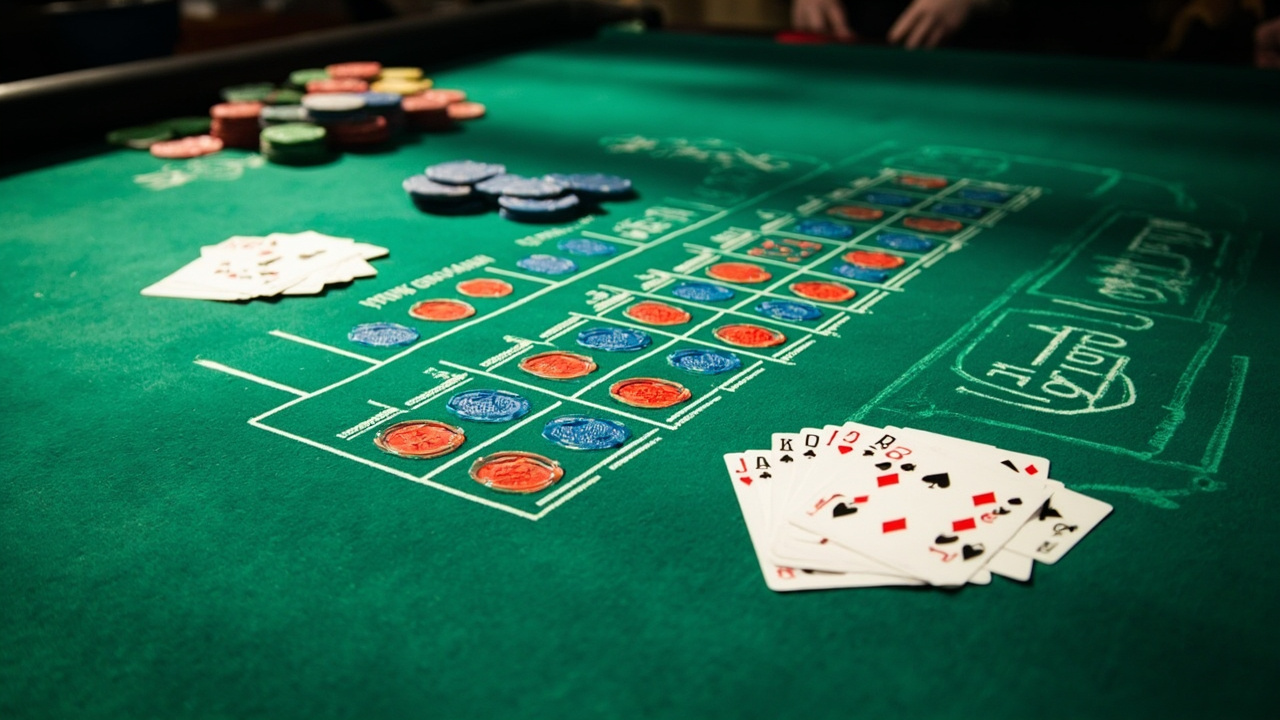
Place betting the 4 and 10 in craps rewards patience, and understanding the payout math keeps your bankroll working harder over a long arvo at the tables.
When I first pushed for non-download gaming at Big Time Gaming, the whole point was removing friction so players could focus on the mechanics that actually matter. That same mindset applies to craps place bets on the 4 and 10. You are not chasing a flashy bonus screen; you are working with two numbers that pay 9 to 5, carry a house edge around 6.67 per cent, and behave predictably once you know the rhythm of the dice. At a busy Melbourne venue, the pace can feel relentless, but the maths does not change just because the crowd is loud. A place bet on 4 or 10 wins when the shooter rolls your number before a 7, and the payout reflects the true odds of those combinations. The trade-off is simple: you get a lower edge than many proposition wagers, but you still need to size your stakes and know when to pull back. Treat the bet like a measured tool rather than a quick thrill, and the table stops feeling like a guessing game.
How the 4 and 10 Place Bets Actually Pay
A place bet on 4 or 10 sits in the layout until you take it down or the shooter sevens out, and the payout is fixed at 9 to 5 on a winning roll. That means a $10 stake returns $18 profit plus your original $10 back, which is why the numbers look tidy on the felt but still carry that house edge. The 4 and 10 each cover three winning combinations, while the 7 covers six, so the casino builds its margin into the payout ratio rather than into some hidden rule. You can place the bet in the marked area, and most dealers will confirm the amount before the next come-out roll. The bet stays active across multiple rolls, which is the main attraction for players who prefer a slower, more controlled pace than the centre-field proposition wagers. If you want a clearer picture of how the point number rules shape the wider table decisions, read our Craps Point Rules Explained for Clearer Table Decisions before you lean too heavily on any single wager. The practical takeaway is that the 4 and 10 are straightforward, but they still reward discipline over impulse. You are not buying a guarantee; you are buying a defined payout structure with a known edge, and that distinction matters when you are sizing your bets across a long session. sol casino app
A Beginner-Friendly Walkthrough for the 4 and 10
If you are new to the felt, here is a mate-to-mate way to think about the 4 and 10 place bets without overcomplicating the first visit. Step one: watch a few rolls and notice how often the 7 pops up compared with the 4 or 10, because that rhythm tells you whether the table is running hot or cold. Step two: start small, because a modest stake lets you learn the dealer’s cadence and the payout timing without stressing your bankroll. Step three: place the bet in the correct marked spot, confirm the amount with the dealer, and keep your chips organised so you can track wins and losses cleanly. Step four: decide in advance when you will take the bet down, whether that is after a set number of wins, a fixed loss limit, or simply when the dice start favouring the 7. Step five: treat every roll as independent, because the dice do not remember your last win and the edge does not shrink just because you are on a good run. Step six: keep your focus on the payout maths rather than the noise around you, since the 9 to 5 return is the only thing that really defines the bet. The aim is not to outsmart the table; it is to play a bet you understand, at a size you can afford, with a clear exit point before the session drifts.
Where Place Betting Fits in a Modern Table Mix
The appeal of a place bet on 4 and 10 is that it sits comfortably alongside other table content without demanding a full commitment to the shooter’s outcome. In a well-organised lobby, you can spot the craps tables next to live dealer offerings, side games, and a slots selection that ranges from low-variance fruit styles to higher-volatility video titles. That mix matters because it lets you move between slower place bets and faster spins without changing venues, and the search tools should let you filter by table limits, dealer pace, and game type rather than dumping everything into one unsorted pile. A decent operators’ lobby will also separate low-limit craps from higher-stakes tables, so you can find a $5 to $25 minimum section that matches your bankroll instead of being pushed straight into a $100 minimum room. Providers matter too, because the quality of the live feed, the chip animation, and the dealer’s clarity all affect how easily you can track a place bet through multiple rolls. When the table mix is broad and the lobby is searchable, the 4 and 10 stop feeling like an isolated wager and start working as part of a broader session plan. Craps Point Rules Explained for Clearer
Table Limits, Stakes, and What to Watch For
The practical side of place betting the 4 and 10 comes down to limits, payout timing, and the edge you are willing to accept over a long run. The 9 to 5 payout is fixed, but the minimum stake varies by table, and that minimum can shape whether the bet suits your bankroll or forces you to overcommit early. A $5 minimum table lets you test the bet without much stress, while a $25 minimum room demands a tighter plan before you place anything. The house edge sits around 6.67 per cent on these numbers, which is higher than some other place bets but still lower than many centre-field wagers, so the comparison is about trade-offs rather than perfection. You also need to think about how often you want the bet active, because leaving it on the layout through every roll can quietly erode a session if the 7 keeps showing up. The table below gives a quick reference for a typical stake and return, so you can see the maths without doing it in your head every time.
Stake | Winning Payout | Return to You | House Edge
$5 | $9 | $14 | ~6.67%
$10 | $18 | $28 | ~6.67%
$25 | $45 | $70 | ~6.67%
$50 | $90 | $140 | ~6.67%
A few things worth keeping in mind: the payout is fixed, so a bigger stake does not improve the edge; the bet stays active until you remove it or the shooter sevens out; and the 7 is the most frequent seven-out result, which is why the edge exists in the first place. If you want a smoother mobile experience for watching live tables and tracking your session, a sol casino app can be a practical way to keep the lobby and table list close at hand without juggling multiple screens. The main point is that the 4 and 10 place bets are not magic, but they are legible, and legibility is what lets you play them with some control.

Conclusion
Craps place bet 4 and 10 explained comes down to a fixed 9 to 5 payout, a known house edge, and a bet that stays active until you decide otherwise. That makes it a useful option for players who want a slower, more measurable wager rather than a quick centre-field punt. The trade-off is real: the edge is not the lowest on the table, and the 7 can turn the bet off quickly, so stake size and exit timing matter more than any hopeful streak. If you keep the maths in front of you, start at a table minimum that suits your bankroll, and treat the bet as one part of a broader session rather than the whole plan, the 4 and 10 can fit neatly into a disciplined craps night.